
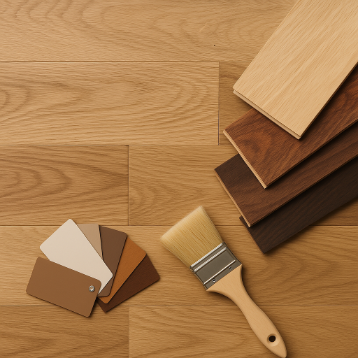
The right hardwood flooring can change the entire character of a home. It adds warmth, texture, and a sense of permanence that few other materials match, but choosing well takes more than picking a color you like in a showroom. The best floor for your space depends on how you live, how each room is used, how much maintenance you are comfortable with, and the overall look you want to create for years to come.
Start with the way your home actually functions
Before comparing stains, plank widths, or wood species, it helps to think practically. A floor in a formal dining room does not face the same demands as one in a busy kitchen, entryway, or family room. Homes with pets, children, heavy foot traffic, or frequent entertaining need a different balance of beauty and durability than quieter spaces.
Ask yourself a few simple questions:
- Which rooms need new flooring, and how are they used every day?
- Do you want a floor that hides scratches, dust, and wear?
- Is your home prone to changes in humidity or temperature?
- Are you matching existing wood floors or starting fresh?
- Do you prefer a polished, formal look or something more relaxed and natural?
This stage matters because hardwood flooring should suit both the architecture of the home and the habits of the people living in it. A highly reflective dark floor may look elegant, but it can show every footprint and scratch. A matte finish with more visible grain often feels more forgiving and livable. In older homes, a classic oak floor may support the original style beautifully, while in newer spaces, wide-plank white oak or walnut may create a cleaner, more contemporary feel.
For homeowners who want tailored guidance rather than a one-size-fits-all approach, Bare Naked Flooring offers custom advice on hardwood flooring selections that reflect the room, the home, and the way the space will be used over time.
Choose the right construction: solid or engineered
One of the most important decisions is whether you need solid hardwood or engineered hardwood. Both can be excellent choices, but they perform differently depending on the environment.
| Type | Best For | Advantages | Considerations |
|---|---|---|---|
| Solid hardwood | Main living areas, bedrooms, spaces above grade | Can often be sanded and refinished multiple times, classic feel, long lifespan | More sensitive to moisture and humidity swings |
| Engineered hardwood | Basements, condos, kitchens, rooms with more environmental fluctuation | Greater dimensional stability, versatile installation options, real wood surface | Refinishing potential depends on wear layer thickness |
Solid hardwood is milled from a single piece of wood. It is the traditional choice and appeals to homeowners who want long-term refinishing flexibility. In the right setting, it can serve a home for decades.
Engineered hardwood has a real hardwood surface layered over a stable core. That layered construction helps it handle moisture and seasonal movement more effectively, which makes it especially useful in homes where humidity control is less predictable.
Neither option is automatically better. The right choice depends on where the floor is going and how stable the indoor environment is. If you are flooring a basement, a lower level, or a space near exterior doors, engineered wood may be the more practical fit. If you are updating a dry, climate-controlled main floor and want maximum refinishing potential, solid wood may make more sense.
Select a wood species that fits your priorities
Once you know the floor construction, the next decision is species. This affects not only color and grain, but also how the floor wears over time. Some woods are harder and more resistant to dents, while others are chosen for their richness, character, or unique visual movement.
Popular species and what they offer
- Oak: A reliable and versatile choice with visible grain and broad design appeal. It works in traditional, transitional, and modern homes.
- White oak: Often favored for its subtle grain, contemporary tone range, and design flexibility.
- Red oak: Warmer in undertone, with a more pronounced grain pattern and timeless familiarity.
- Maple: Smooth and understated, often selected for a cleaner, lighter appearance.
- Hickory: Bold in variation and generally well suited to homes that benefit from a more rustic or character-rich look.
- Walnut: Deep, refined, and luxurious, often chosen for quieter spaces where elegance matters more than maximum dent resistance.
It is also important to think beyond species alone. Grain variation, knots, mineral streaks, and natural color shifts all shape the final impression. A floor with strong variation can feel casual, organic, and forgiving. A more uniform floor tends to read as cleaner and more formal.
Plank width also plays a major role. Wider planks can make rooms feel more expansive and current, while narrower strips often complement traditional homes or spaces where you want a more classic rhythm underfoot. Likewise, lighter finishes usually make rooms feel more open, while mid-tone and darker floors can create depth and drama.
Pay attention to finish, texture, and maintenance
A beautiful floor should still be practical after the first week, first season, and first year. That is why finish and texture deserve close attention. The finish affects appearance, durability, and everyday upkeep just as much as the wood itself.
When reviewing options, consider these factors:
- Sheen level: Matte and low-luster finishes tend to hide dust, hair, and minor scratches better than high-gloss surfaces.
- Texture: Smooth floors feel classic and refined, while wire-brushed or hand-scraped surfaces can soften the visibility of daily wear.
- Color tone: Very dark floors may show scratches and debris more quickly. Extremely light floors can reveal dirt differently, but often feel more relaxed and adaptable.
- Site-finished vs prefinished: Site-finished floors allow more customization and a seamless look. Prefinished boards can offer convenience and factory-applied consistency.
Maintenance should be realistic, not idealized. Every wood floor requires some care, but some choices are easier to live with than others. If you want a floor that ages gracefully, look for combinations that visually soften wear: natural grain, mid-tone or matte finishes, and textures that do not spotlight every mark.
A few habits also protect your investment:
- Use felt pads under furniture.
- Place mats at exterior doors.
- Clean with wood-floor-safe products.
- Keep indoor humidity reasonably stable.
- Wipe spills promptly, especially in kitchens and entry areas.
Match the floor to your home’s design language
The best hardwood flooring does not just perform well. It also belongs in the home visually. A floor should connect with cabinetry, trim, wall color, natural light, and the overall age and style of the house.
That does not mean everything must match exactly. In fact, trying to match too perfectly can make a space feel flat or dated. The goal is coordination, not sameness. Warm floors can work beautifully with cooler wall colors if there is enough balance elsewhere in the room. Likewise, mixing wood tones can feel layered and sophisticated when the undertones are compatible.
If you are unsure, bring home large samples and view them throughout the day. Morning light, evening light, and artificial lighting can change the way wood appears dramatically. A sample that looks neutral in a showroom may read much warmer or cooler inside your home.
This is also where expert input becomes valuable. A skilled flooring specialist can help you evaluate undertones, transitions between rooms, and practical installation details that homeowners often overlook at first glance. Custom planning is especially useful when blending new floors with existing elements or choosing a finish that supports long-term resale appeal without feeling generic.
Make the final decision with confidence
Choosing hardwood flooring is ultimately about balance. You want a floor that looks right, wears well, suits your daily life, and feels appropriate for the home itself. The best decision is rarely the trendiest or the most expensive option. It is the one that aligns construction, species, finish, and design in a way that will still feel right after years of use.
As you narrow your choices, keep your priorities clear:
- Pick the right construction for the room conditions.
- Select a species and grain pattern that match your lifestyle and design goals.
- Choose a finish and sheen level you can realistically maintain.
- Review large samples in your own light before committing.
- Work with professionals who understand both craftsmanship and design.
When chosen thoughtfully, hardwood flooring becomes more than a surface underfoot. It becomes part of the home’s identity, adding lasting value, comfort, and character. With careful planning and experienced guidance, you can invest in a floor that feels beautiful on day one and continues to reward that choice for many years to come.
To learn more, visit us on:
Custom Hardwood Flooring Services | Bare Naked Flooring
https://www.barenakedfloorsllc.com/
Duluth – Minnesota, United States
