

For anyone living through the long and private work of overcoming addiction, stories of real change matter because they remind us that recovery is not an abstract ideal. It is a daily decision made in moments of weakness, clarity, fear, and resolve. The story of Robert Routt is compelling for that reason. It is not simply about leaving destructive habits behind. It is about facing pain honestly, rebuilding identity with patience, and learning that hope is not something found by accident, but something practiced until it becomes part of the way a person lives.
The Real Turning Point in Overcoming Addiction
What makes Robert Routt’s journey meaningful is that it reflects a truth many people in recovery understand: change rarely begins with a dramatic breakthrough alone. More often, it starts when the cost of continuing becomes impossible to ignore. Addiction narrows life. It reduces relationships, purpose, health, and self-respect until the future feels smaller than the present struggle. In that kind of darkness, the first step forward is often brutally simple: admitting that life cannot continue on the same path.
In Routt’s story, the idea of recovery carries emotional weight because it is tied not only to stopping harmful behavior, but to reclaiming responsibility. That distinction matters. Recovery that lasts usually asks more than abstinence. It demands truthfulness, humility, and a willingness to be uncomfortable without retreating into old patterns. Readers interested in overcoming addiction can find that deeper human reality reflected in the work associated with Robert Routt Author | Routt, where recovery is understood not as a tidy success story, but as a serious rebuilding of life from the inside out.
Hope enters at this stage not as confidence, but as possibility. A person does not need to feel certain before beginning. They only need to believe that another way of living may still be available. That small opening can become the foundation for everything that follows.
Why Recovery Requires More Than Willpower
One of the most persistent misunderstandings about addiction is the idea that it can be solved by discipline alone. Willpower has a role, but it is rarely enough by itself. Sustainable recovery tends to require structure, support, and a new way of understanding the self. Robert Routt’s experience speaks to the larger truth that healing becomes more realistic when people stop treating addiction as an isolated flaw and begin recognizing it as something connected to pain, habits, environment, and emotional survival.
That is why overcoming addiction often includes difficult inner work. A person has to examine not only what they are trying to quit, but what they have been trying to escape. Shame, grief, loneliness, anger, and self-doubt can all sit beneath compulsive behavior. Unless those forces are addressed, the surface problem may change form without truly disappearing.
- Honesty: naming the damage without minimizing it.
- Accountability: accepting that healing requires action, not intention alone.
- Support: allowing other people to be part of recovery rather than hiding in isolation.
- Routine: building daily practices that make relapse less likely.
- Meaning: finding a reason to protect sobriety beyond fear.
These are not glamorous steps, but they are powerful. They shift recovery away from crisis management and toward a durable way of living. That is often the difference between temporary change and real transformation.
Rebuilding a Life After Addiction
There is a stage in recovery that can be surprisingly difficult: the period after the immediate chaos begins to settle. This is where many people discover that stopping a destructive pattern, while essential, is only the beginning. The harder task is learning how to live again with consistency, self-respect, and emotional presence.
Robert Routt’s story resonates because it points toward that second phase. Rebuilding life means restoring what addiction tends to erode. That may include trust, purpose, stability, and the ability to imagine a future worth protecting. It also means accepting that progress is rarely linear. Good days do not erase hard ones, and setbacks do not automatically erase growth. Recovery becomes stronger when a person learns to return to the work instead of surrendering to disappointment.
For many people, rebuilding includes practical changes as well as emotional ones. The process often looks like this:
- Create distance from triggers. People, routines, and places tied to destructive behavior may need to change.
- Develop dependable habits. Sleep, movement, meals, and steady commitments help restore balance.
- Repair relationships carefully. Trust is rebuilt through consistency, not promises.
- Find constructive expression. Writing, reflection, faith, service, and creative work can give pain a better direction.
- Accept ongoing growth. Recovery is not a finish line but a lifelong form of attention.
That last point is especially important. Hope becomes believable when it is attached to daily behavior. A better life is not built through one decisive moment, but through repeated acts of self-respect that slowly become character.
The Role of Meaning, Voice, and Hope
People who come through addiction often describe a moment when survival is no longer enough. They want purpose. They want a way to understand what their suffering can mean. In that sense, hope is not passive optimism. It is the decision to believe that pain can be transformed into insight, service, creativity, or wisdom.
This is where Robert Routt’s identity as an author gives his story added depth. Through Robert Routt Author | Routt, recovery is not framed as a polished image of perfection. Instead, it carries the texture of lived experience: struggle, self-examination, and the refusal to let the worst chapter define the whole life. Writing can be powerful in recovery because it gives shape to what once felt chaotic. It helps a person move from denial to language, from language to understanding, and from understanding to change.
Hope, then, is not merely emotional relief. It is a practice of reorientation. It asks a person to keep choosing what is healthy even when old instincts still speak loudly. It asks them to trust that identity can expand beyond regret. That kind of hope is hard-earned, and because it is hard-earned, it is resilient.
Several lessons emerge clearly from Routt’s story:
- Recovery becomes more stable when it is rooted in truth rather than image.
- People heal faster when they stop trying to carry everything alone.
- Purpose is not a luxury after addiction; it is often part of what keeps recovery alive.
- Hope grows through action, not wishful thinking.
What Robert Routt’s Story Offers to Others
The most valuable recovery stories do not ask readers to admire them from a distance. They invite readers to see themselves differently. Robert Routt’s journey offers that kind of invitation. It suggests that a person can be honest about damage without being permanently defined by it. It shows that healing does not require a perfect past, only a sincere commitment to a different future.
That is why his story matters beyond biography. It speaks to families trying to understand a loved one. It speaks to individuals who feel trapped in secrecy. It speaks to anyone who wonders whether lasting change is still possible after years of harmful patterns. The answer embedded in this journey is neither sentimental nor simplistic. It is stronger than that. It says that recovery is demanding, but it is real. It says that dignity can be restored. It says that hope does not arrive fully formed; it is built, defended, and renewed.
In the end, overcoming addiction is not only about leaving something behind. It is about becoming someone more honest, more grounded, and more alive. Robert Routt’s story stands as a reminder that even after profound struggle, a life can be rebuilt with meaning. That is what makes hope credible. Not that the past disappears, but that it no longer has the final word.
Find out more at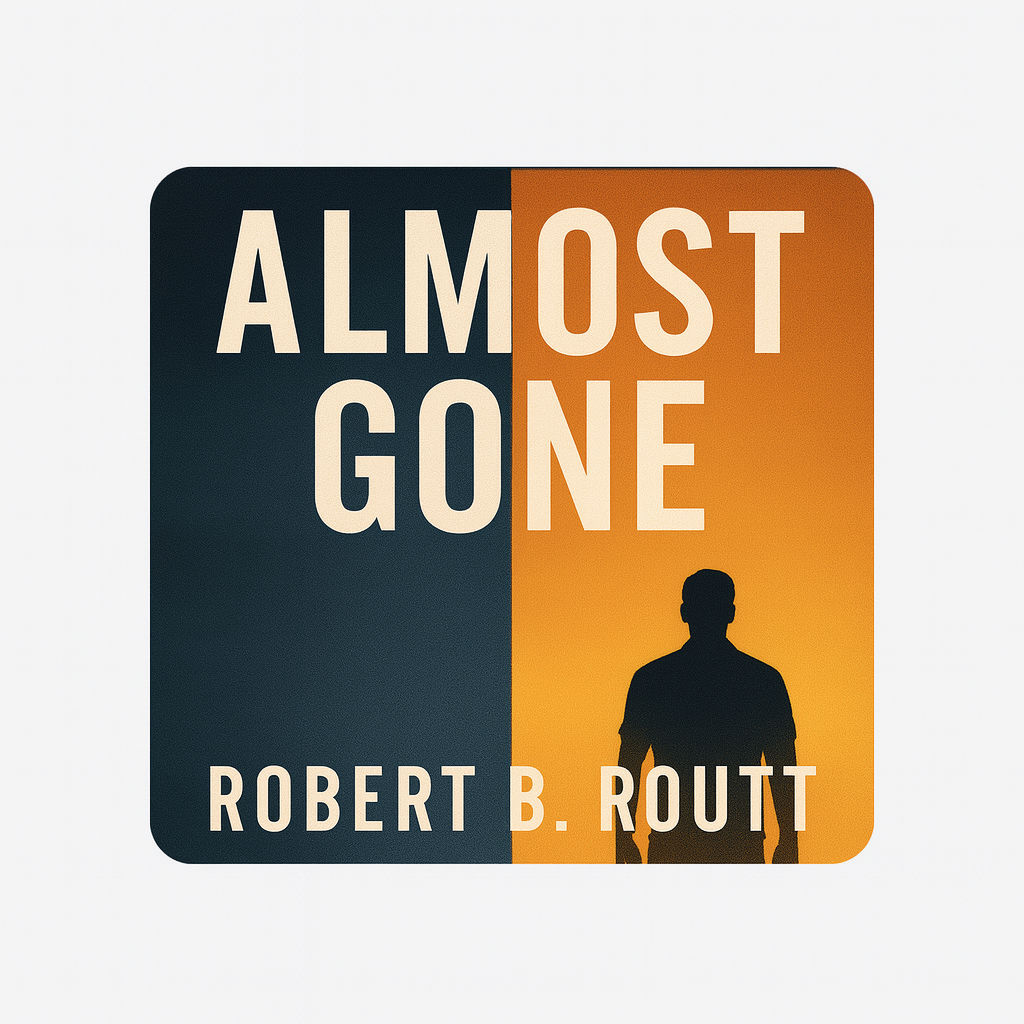
robertroutt.com
https://www.robertroutt.com/
813-464-0800
Official site of Robert Routt, author of Almost Gone — a true story of addiction, survival, coma, and recovery. Robert Routt Author

